

Remember the 90s Evening? This Is 2025.
Picture an Indian middle-class home in the 1990s. The father is on the sofa with a newspaper. The mother is chatting about her day. Their daughter asks for help with her math homework. Their young son plays with toy cars on the floor.
The room is filled with conversation, laughter, and connection.
Now, fast-forward to a living room in 2025. The father scrolls through news on his phone. The mother binge-watches a show. Their daughter is glued to Instagram stories. Their 3-year-old son sits silently, watching YouTube Shorts on a tablet.
The room is silent. Though physically together, they are mentally galaxies apart, their faces illuminated only by the cold, blue glow of their screens.
This isn’t just a harmless shift in entertainment. It’s a dangerous epidemic with terrifying consequences, and the data will shock you.
The Data Doesn’t Lie: We’re Raising a Generation of Addicts
A massive October 2024 survey of over 70,000 urban Indian parents revealed a chilling truth:
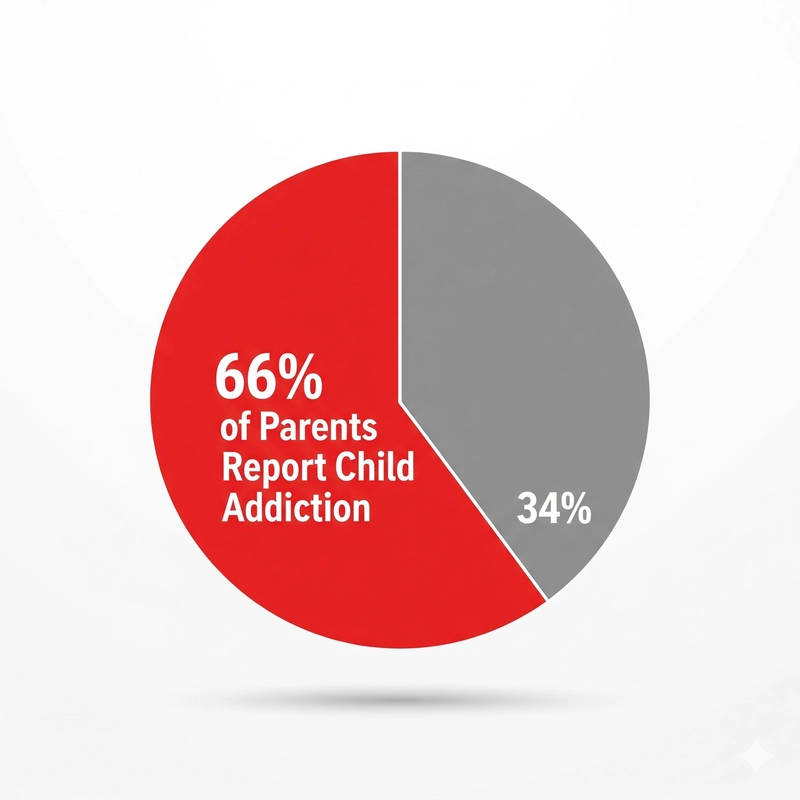
- 66% believe their children are addicted to social media, OTT platforms, or online games.
- 58% report this addiction has led to increased aggression and impatience.
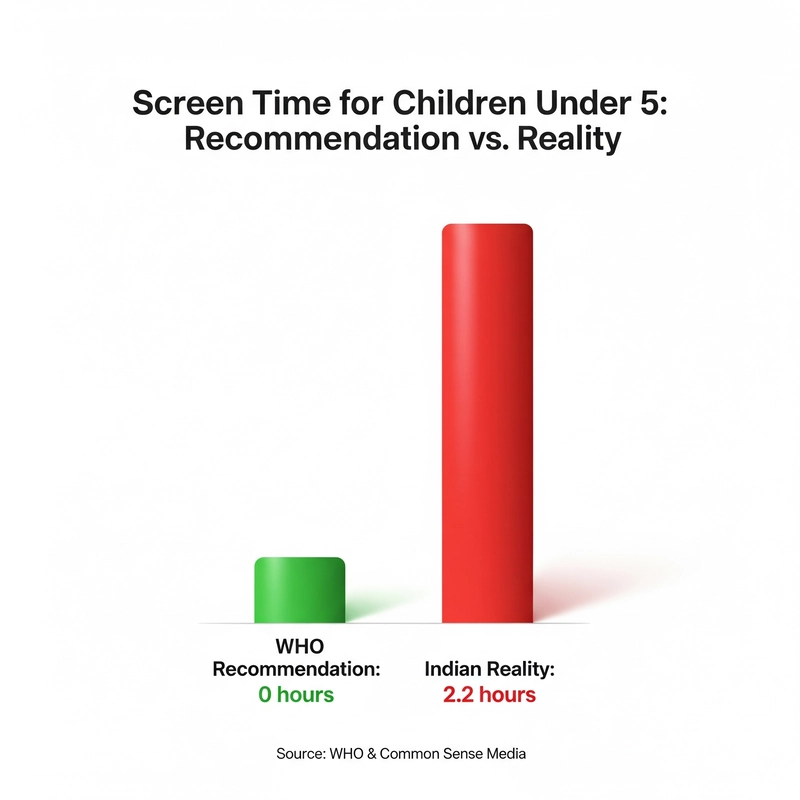
But the most alarming statistic concerns our youngest. The WHO recommends ZERO screen time for children under 2 and a maximum of one hour for toddlers aged 2-4.
Reality? According to AIIMS Raipur, the average screen time for Indian children under 5 is 2.2 hours. For children under 2, it’s 1.2 hours—when it should be zero.
From Convenience to Crisis: Aarav’s Story
This isn’t abstract data. It’s happening in homes like yours and mine.
Meet Aarav, a 9-year-old from Gurgaon. His busy parents gave him a smartphone at age 1. It was a convenient solution—he stayed quiet, and they could work.
The warning signs were there early: he would only eat with a phone in front of him. By 4, he had his own device. His parents, wary of “bad influences” outside, encouraged it.
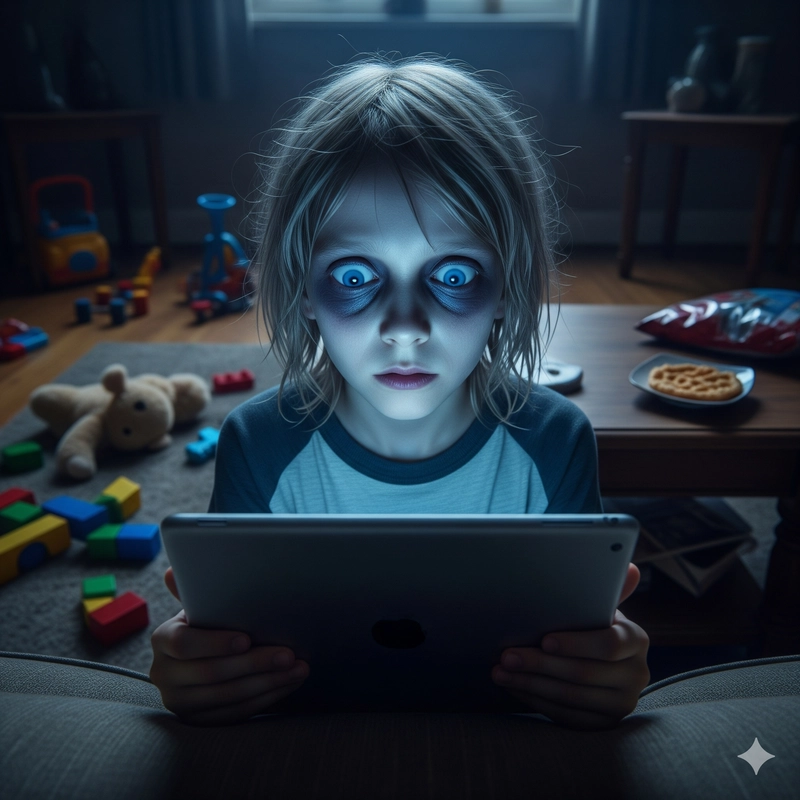
Then, the consequences hit:
- His eyes weakened, requiring glasses.
- He developed severe headaches linked to screen use.
- His addiction became so severe that when his parents tried to take the phone away, he would throw violent tantrums, banging his head against the wall—a reaction eerily similar to a drug addict’s withdrawal.
Aarav’s story is not unique. It’s a blueprint for thousands of children across the country.
The 5 Scary Impacts of Screen Addiction Every Parent Must Know

1. The Myopia Epidemic: Lack of outdoor play and constant focus on near objects drastically increases the risk of nearsightedness. Experts warn that by 2050, half of all Indian children may need glasses.
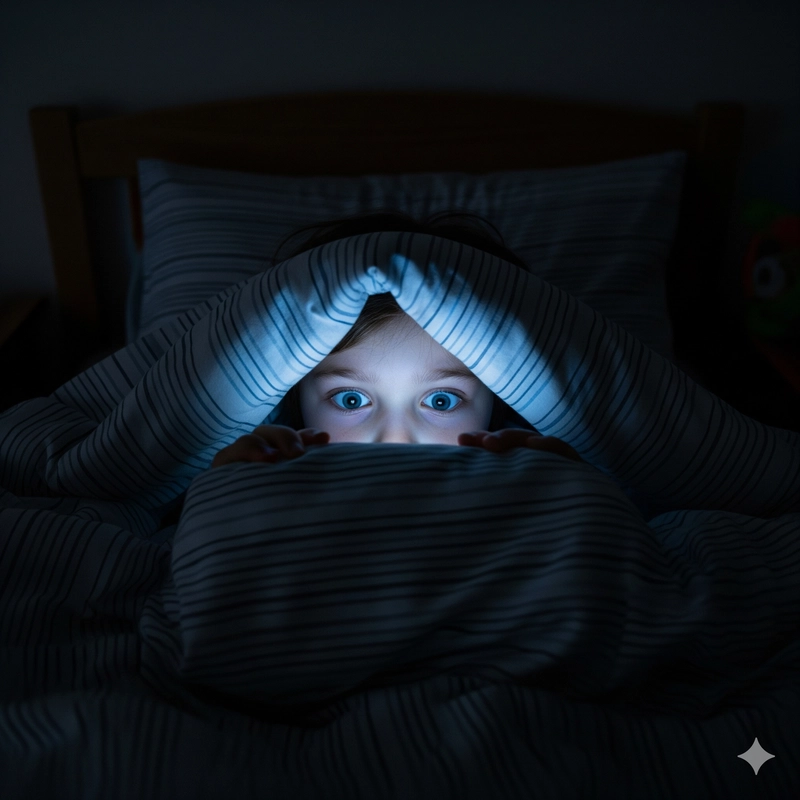
2. Sleep Disaster: The blue light from screens suppresses melatonin, the sleep hormone. This effect is twice as strong in children as in adults. The result? Ruined sleep cycles, insomnia, and a cascade of problems in learning and mood.
3. Childhood Obesity: Screens create sedentary lifestyles. A shocking fact: children in America now spend less time outdoors than prison inmates. Coupled with mindless eating while watching screens, this is a fast track to weight gain and health issues.
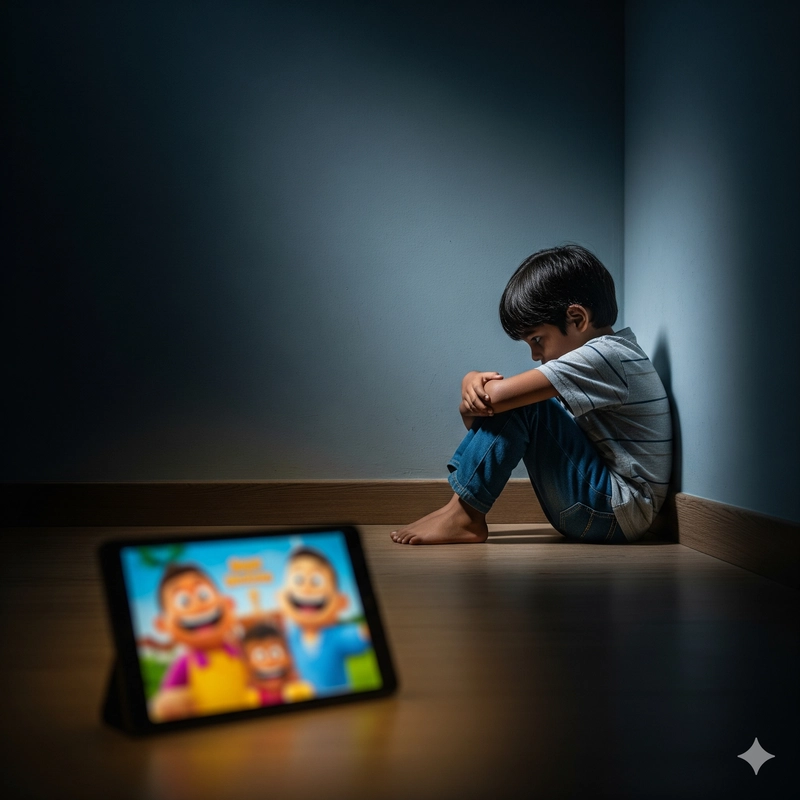
4. Altered Brain Chemistry & “Virtual Autism”: This is the most profound danger. Excessive screen time physically changes a child’s brain development, impairing executive functions—skills vital for emotional control, social interaction, and motivation.
This can lead to what experts call “Virtual Autism”—social withdrawal, attention disorders, and severe language delays. In one heartbreaking case, a 2.5-year-old who watched TV all day developed autism-like symptoms and, even after years of therapy, could only speak a few words.
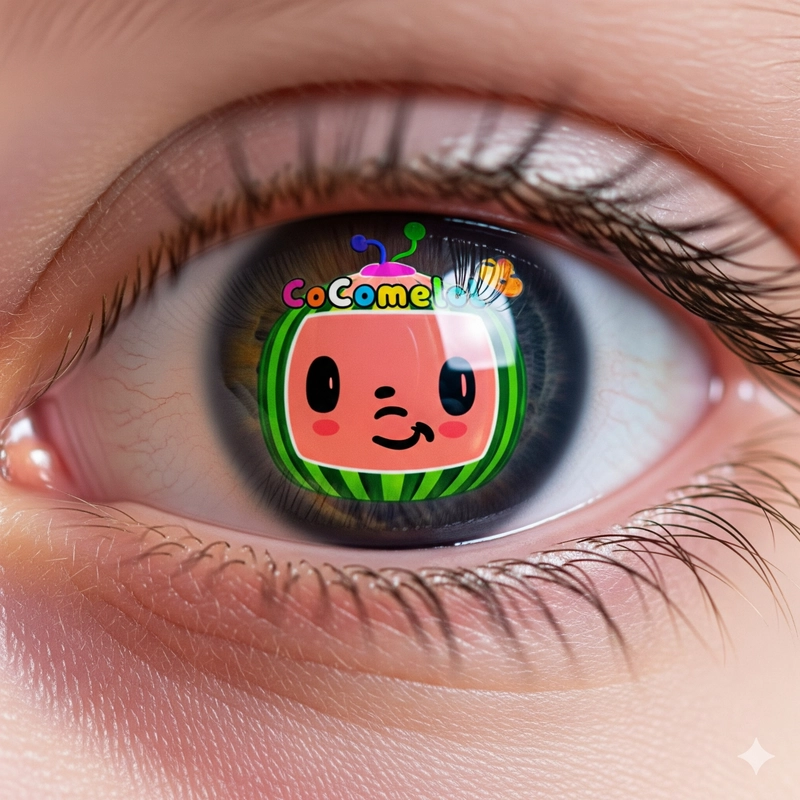
5. The Hypnosis Effect: Some content, like the popular channel CoComelon, is engineered to addict. With hyper-saturated colors, rapid scene changes (every 2-3 seconds), and constant movement, it’s designed to capture and hold a child’s brain in a trance-like state. Children become zombies, unable to focus on the slower pace of real life, leading to anger, ADHD symptoms, and speech delays.
The Solution: It’s Hard, But It’s Simple
The answer isn’t complicated, but it requires commitment. You must be the parent your child needs you to be.

Just Say No (For The Young Ones): Under age 2: ZERO SCREENS. Under age 5: Avoid it completely. There is no educational video worth trading your child’s brain development for.
You Are the Example: Children learn from what you do, not what you say. If you are glued to your phone, they will demand the same. Create screen-free zones (bedrooms, dining table) for the entire family.

Fill the Void with Connection: A child is not addicted to the screen; they are addicted to what it provides: attention, validation, and entertainment. Be their source of those things. Play board games, build with blocks, read books, and just talk.
Educate Your Village: If grandparents or relatives undermine your rules, share this article with them. Make it a team effort.
For Older Kids, Set Strict Boundaries: Prioritize educational content and set firm, non-negotiable time limits. Encourage at least 3 hours of physical outdoor play daily.
You Are Not Alone: Help Is Available
If you’re seeing these signs and feel overwhelmed, know that patterns can be broken. Understanding child psychology is key. Experts like parenting coach Riddhi Deorah have helped over 200,000 parents navigate this exact challenge, teaching how to raise happy, confident kids without screen dependence.
This isn’t about blaming parents; it’s about empowering them. The convenience of a screen today can cost your child’s well-being tomorrow. But it’s not too late to choose connection over convenience and reclaim your child’s future.
The choice is yours. What will you choose?

Call to Action: Did this resonate with you? Share this post with every parent, grandparent, and caregiver you know. Let’s start a conversation and protect our children together. #ScreenFreeChildhood #GrassToGains

